Phosphorous acid has strong reducing properties and is also quite acidic. It can react with oxygen, calcium, magnesium ions, and other ions in the boiler through a redox reaction, thereby removing them. The principle of phosphorous acid in boiler deoxygenation is to consume dissolved oxygen in the water while simultaneously passivating the boiler metal, thus protecting the boiler. It is important to note that the temperature should not be too high or too low. Based on our experience, a water temperature above 80℃ is generally suitable for a good redox reaction. The residue is phosphate and its compounds, which do not cause secondary pollution and are very environmentally friendly. Some phosphate residues can be used as construction waste or fertilizer, achieving a waste utilization effect.
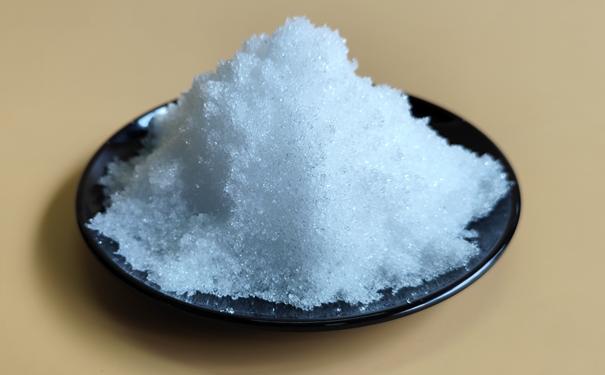
Phosphorous acid can react with trivalent and divalent iron ions on the boiler surface to form ferric phosphate. Ferric phosphate is a passivation film that can tightly adhere to the surface of the boiler metal, preventing further contact between corrosive media such as oxygen, chloride ions, and sulfate ions in the water and the metal, thus providing surface corrosion protection for the boiler. In addition, ferric phosphate can also transform loose rust layers into a dense film, achieving a dual function of repair and protection.
In summary, the working principle of phosphorous acid in boiler deoxygenation involves two aspects: First, it eliminates oxygen in the aquatic environment through its low-valent phosphorus content, preventing reactive oxygen species from reacting with the boiler's metals. Second, the ferric phosphate it produces acts as a passivating protective film, preventing further contact between the boiler's inner wall and corrosive media, thus protecting the boiler's inner wall.
Tel:+86-512-36622455
Fax:+86-512-36874501
Phone:+86-13358057724
Email:hxo@hxochem.com
Add:No. 1377, Fuchunjiang Road, Kunshan Development Zone, Suzhou, Jiangsu, China
 简体中文
简体中文
 English