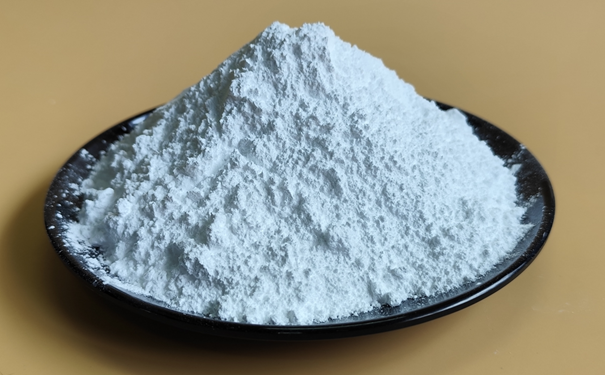
Both aluminum hypophosphite(AHP) and aluminum phosphite(AIP) are currently used as halogen-free flame retardants, with AHP being used in much larger quantities than AIP. They are very similar in appearance, melting point, water solubility, and price, but their functions, uses, application areas, temperature resistance, and formulations differ significantly. Their phosphorus valence and phosphorus content are also completely different. Both are halogen-free flame retardants and possess antioxidant properties. What are the differences between aluminum hypophosphite and aluminum phosphite? We will discuss this in detail from three aspects below.
1. Different Application Areas:
Aluminum hypophosphite flame retardant is mainly used for flame retardancy in polypropylene(PP) V-2, elastomers(TPE, TPU), wires and cables, potting compounds, and coatings. It can be compounded with melamine hydrobromide(MHB), MCA, aluminum hydroxide, etc. Aluminum phosphite is mainly used for flame retardant modification of engineering plastics nylon PA6/666, usually in combination with aluminum diethylphosphite(ADP). The formulation, amount of flame retardant added, and flame retardant effect vary significantly for each material.
2. Different phosphorus oxidation states:
Aluminum hypophosphite flame retardant phosphorus has a +1 oxidation state and strong reducing properties. AIP (aluminum indium phosphate) phosphorus has a +3 oxidation state and also has reducing properties, but slightly weaker than AHP. For some materials requiring antioxidant and anti-yellowing properties, AHP may offer better antioxidant effects. Neither is generally mixed with magnesium hydroxide.
3. Different raw materials and production processes:
Aluminum hypophosphite(AHP) is mainly prepared by reacting sodium hypophosphite and aluminum sulfate, using both dry and wet methods. Particle size and surface modification significantly affect the flame retardant effect. Aluminum phosphite(AIP) can be synthesized from 99.5% phosphorous acid, aluminum sulfate, aluminum chloride, etc. Its purity, crystal form, and dispersibility significantly affect the flame retardant effect of nylon PA, and can reduce the precipitation of halogen-free flame retardants in PA materials to a certain extent, improving temperature resistance.
In summary, aluminum hypophosphite(AHP) and aluminum phosphite(AIP) differ significantly in their applications, formulations, phosphorus content, phosphorus valence, and production processes across various materials. However, they are remarkably similar in appearance, solubility, particle size, water solubility, and price. It should be noted that the application of aluminum phosphite has only been gradually studied in recent years. As research progresses, its application methods and formulations in other materials may be further refined, potentially leading to a gradual increase in its market usage.
Tel:+86-512-36622455
Fax:+86-512-36874501
Phone:+86-13358057724
Email:hxo@hxochem.com
Add:No. 1377, Fuchunjiang Road, Kunshan Development Zone, Suzhou, Jiangsu, China
 简体中文
简体中文
 English