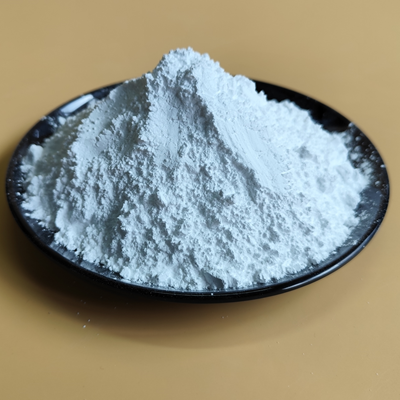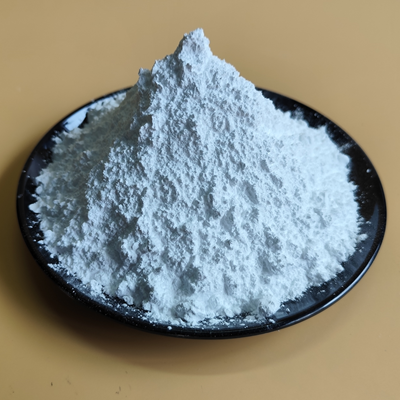
Tetrakis Hydroxymethyl Phosphonium Chloride is abbreviated as THPC, with UN number 2922. It is an effective quaternary ammonium salt biocide and flame retardant that reacts with urea at high temperatures to form a pre-condensate of Tetrakis Hydroxymethyl Phosphonium Chloride and urea (THPC-Urea). This product serves as an excellent flame retardant for pure cotton fabrics. Classified as a Class 8 hazardous material, it carries a 13% export tax rebate rate. Its pH ranges from 3 to 5, with a phosphorus content of 11% and chlorine content of 15%. It reacts with caustic soda flakes to form trihydroxymethylphosphine.
Basic Information
English Name: Tetrakis Hydroxymethyl Phosphonium Chloride(THPC)
CAS Number: 124-64-1
UN Number: 2922; CLASS 8
HS Code: 2931909090
Molecular Formula: [P(CH2OH)4]Cl
Molecular Weight: 190.56
EINECS No.: 204-707-7
Physical & Chemical Properties: Appears as a transparent aqueous solution. The aqueous solution exhibits weak acidity and moderate corrosivity. Possesses a faint irritating odor. Easily biodegradable. Oxidation or thermal degradation products include formaldehyde, carbon dioxide, phosphoric acid, etc.
Export Notes: Classified as a Category 8 chemical requiring commodity inspection and dangerous goods packaging. Export tax rebate rate: 13%.
Product Specifications
Main Content: 80%
Specific Gravity: 1.25–1.35 g/ml
Viscosity: 10–20 cP (mPa·s)
Active Phosphorus ≥11.0%
pH (10% aqueous solution): 3–5
Appearance: Light yellow transparent liquid
Mechanism of Action
1. Bactericidal Mechanism
The phosphorus in Tetrakis Hydroxymethyl Phosphonium Chloride(THPC) exists as an organophosphorus compound containing hydroxyl groups. These active functional groups undergo complex electrochemical reactions with microbial nucleic acids, enzymes, and proteins. This disrupts the cellular structure and function of bacteria, fungi, viruses, etc., interferes with enzyme metabolism, and inhibits microbial activity or causes death. Under alkaline conditions, it generates the more potent trimethylphosphine, enhancing its bactericidal efficacy. In varying environmental conditions, it continuously releases active phosphine, attacking multiple targets within microorganisms to produce sustained synergistic bactericidal effects.
2. Flame Retardant Mechanism
After ammonia fumigation, the Tetrakis Hydroxymethyl Phosphonium Chloride urea pre-condensate undergoes molecular cross-linking with textiles. Upon thermal decomposition, it generates phosphoric anhydrides that promote molecular dehydration and char formation, blocking oxygen convection while trapping free radicals to significantly delay combustion. The nitrogen and chlorine in THPC-Urea molecules are inert elements that effectively dilute combustible components like carbon and hydrogen in gases. The resulting carbon layer and non-flammable gases synergistically enhance flame retardancy.
Applications
1. Serves as a water treatment agent and oilfield biocide, exhibiting superior bactericidal efficacy compared to tetrahydroxymethylphosphoric acid (THPS). It finds applications in cold water circulation systems, papermaking wastewater treatment, and wood preservation. However, its use is prohibited in certain chlorine-restricted scenarios.
2. Tetrakis Hydroxymethyl Phosphonium Chloride urea pre-condensate (THPC-Urea) serves as an exceptional flame retardant for pure cotton fabrics, though its efficacy is slightly reduced for leather and synthetic fibers. Fabrics treated with this compound demonstrate significant advantages in wash durability, hand feel, softness, and flame retardancy efficiency.
THPC-Urea Application Method
1. Process Flow
Check if fabric width exceeds 8cm → Liquid application (using uniform roller, liquid application rate 75%-85%) → Pre-drying (confirm dried fabric moisture content 10%-14%) → Ammonia fumigation (machine speed controlled at approx. 20m/min, flow rate 1200-1600l/min) → Oxidative washing (air-dry for 90 seconds) → Stretching and drying → Pre-shrinking → Inspection and rolling
2. Flame Retardant Solution Preparation
Tetrahydroxymethylphosphonyl chloride urea pre-condensate (THPC-Urea): 70 kg; Water-based softener: 8 kg; Water-based penetrant: 0.4 kg; Water: 121.6 kg
3. Compatibility Test Method
(1) Take 50 mL of flame retardant
(2) Add 50 mL water and mix thoroughly
(3) After 10 minutes, add 5 mL water-based softener
(4) After mixing, add 0.25 mL water-based penetrant after 10 minutes. Observe solution clarity. If cloudy, replace water-based softener or penetrant.
4. Large-scale Production Operation
(1) Liquid roll-off rate: 85% drying
(2) Measure fabric moisture content: 10%–14%
(3) Place for 25 minutes, then perform ammonia fumigation at 15–25 m/min
(4) Conduct oxidation washing 25 minutes after fabric removal
Hydrogen peroxide formula: 2–3:1 (water: hydrogen peroxide)
Oxidative ventilation for 90 seconds
Add alkali (NaOH) 2g/l in first and second washing tanks; hot water wash in third and fourth tanks (urea and soda ash may be added); warm water wash in fifth tank. Measure fabric surface pH and neutralize with acetic acid to pH 7–8. Dry fabric, perform width setting and pre-shrinking, then package.
Storage, Transportation, and Packaging
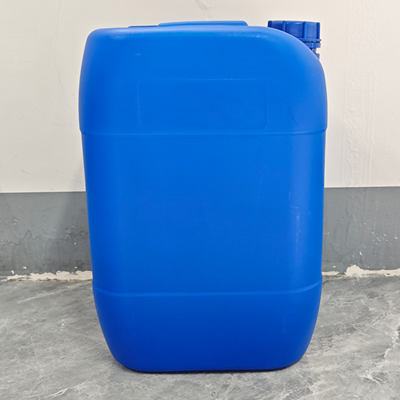
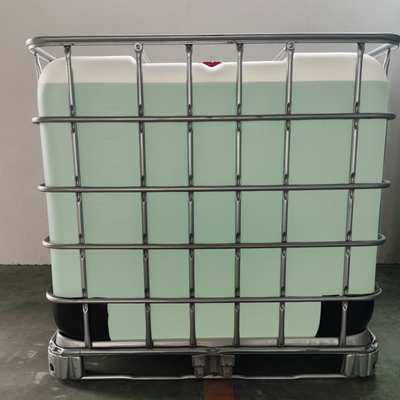
Store in a cool, ventilated warehouse under sealed conditions. Keep separate from oxidizing agents and food-grade chemicals. Packaged in 250kg polyethylene drums or 1000kg IBC ton containers.
The chemical structure of Tetrakis Hydroxymethyl Phosphonium Chloride(THPC) contains four hydroxymethyl groups, one chlorine atom, and one phosphorus atom. This unique elemental composition and spatial configuration confers dual flame-retardant and bactericidal properties. THPC exhibits excellent water solubility, extended shelf life, stability at ambient temperatures, long-lasting flame retardancy, and effective bactericidal activity at low dosage rates.
Tel:+86-512-36622455
Fax:+86-512-36874501
Phone:+86-13358057724
Email:hxo@hxochem.com
Add:No. 1377, Fuchunjiang Road, Kunshan Development Zone, Suzhou, Jiangsu, China
 简体中文
简体中文
 English